See some famous paintings of Edward Hopper “in the flesh”
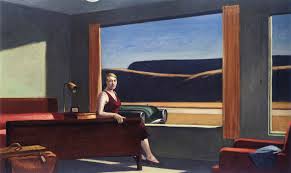
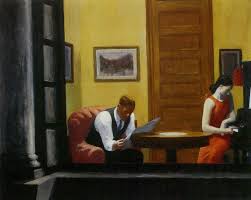
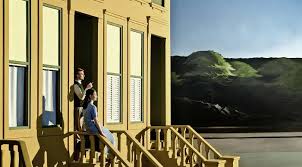
See some famous paintings of Edward Hopper “in the flesh”
Edvard Munch is also one of my NO heroes 😉
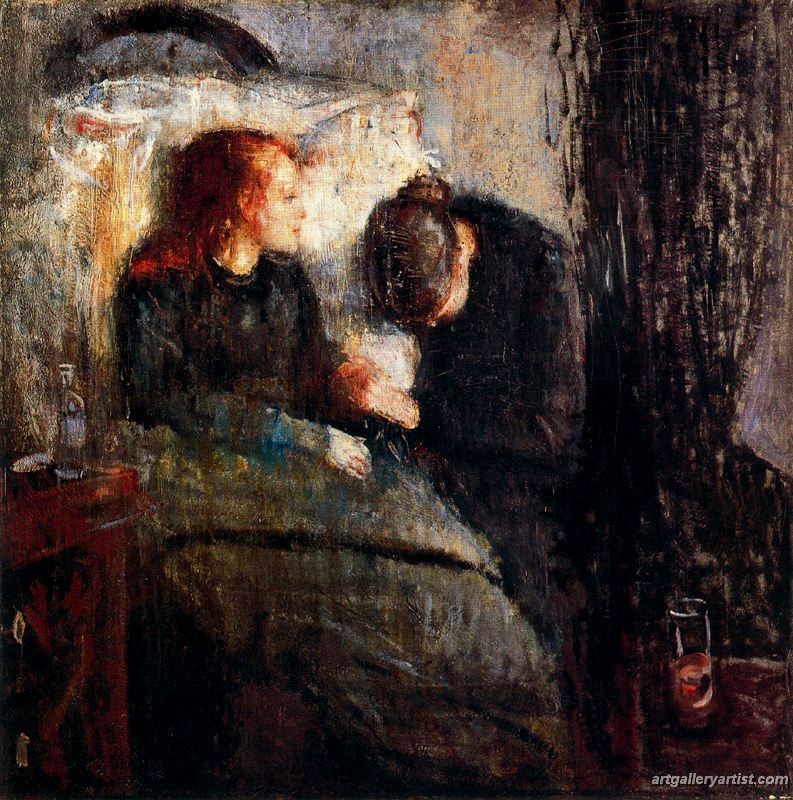
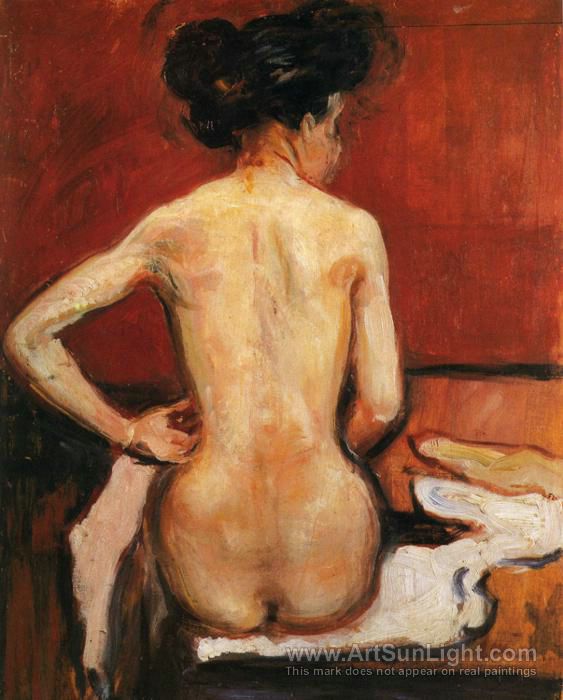
I always look at his backgrounds. For me, as a painter, to make an interesting background is not easy to do. Also to make it match with the motives you are putting in. Which technique does the artist use, to accomplish that?
In the first painting – the sick child, made in 1885- I especially admire the way Munch painted the cushion. The red colour of the hair of the girl, is sort of shining in the pillow.
In the second one, “Parish nude”, made in 1896, the painting looks more simple. He also puts a contour around a part of the woman. The brushstrokes are less visible. He is thinking more in “colour fields”. It makes the painting more “flat”. He even doesn’t bother, to give the woman a real face. I think, because it’s now more a matter of art and what you can do with paint, how you can solve problems you encounter as an artist. Then it is to paint a real figurative painting. And don’t forget, in these days artists had to compete with photography.
So they had to invent new ways, of how to cope with their art. What do I want with my paintings?
Is it just a coincidence, that Munch is also a painter from Scandinavia? Like Per Kirkeby? I really don’t know.
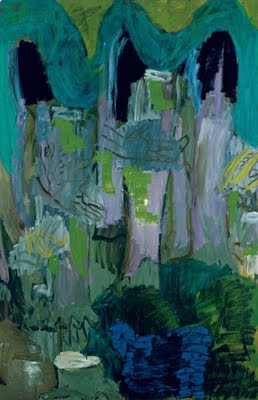
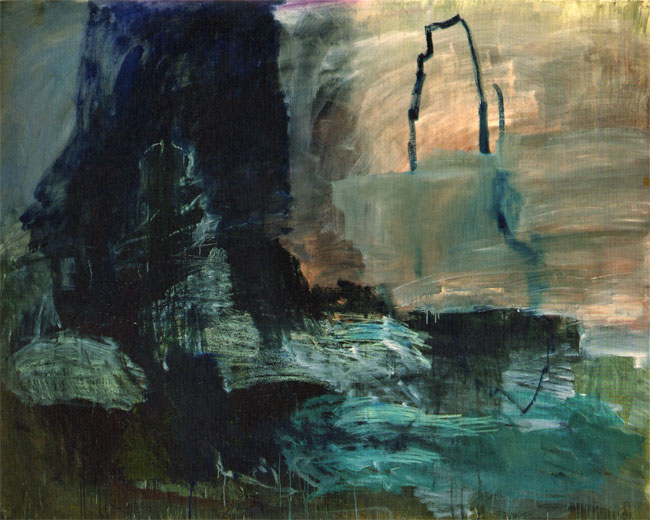
Well, I don’t believe in heroes. However, Per is getting close. We both work with the same themes. And we both are real “painters’.
During my study at the academy in Utrecht (HKU) I saw a marvellous exhibition in Amsterdam. And a few years later in Denmark, in the Louisiana Museum. Per really knocked me of my feet. Can you cry, just by watching a few paintings? Yes, you can (Obama will agree on this).
My teachers told me, that Kirkeby is a “difficult painter, really a painter for painters”. I don’t know if they are right or wrong. I don’t know how it is “Not to be a painter”.
This week I visited the exhibition of ‘The late Rembrandt”, at the Rijksmuseum in Amsterdam.
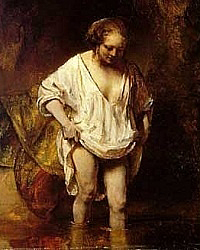
Beautiful exhibition. For me the most impressive painting was this little painting of “Baadende vrouw” (bathing woman).
His fellow artists thought it was just a sketch, an unfinished painting.
The loose brushstrokes of the white “dress” together with the delicate touch and de fine use of his glacis-strokes (thin layers of paint).